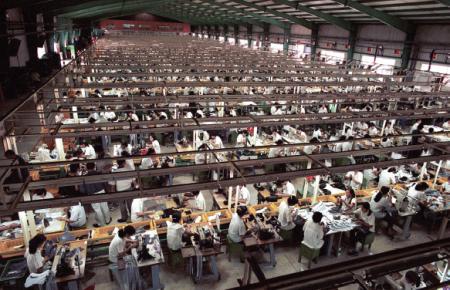
Viscose takes naturally occurring substances, found within trees and planted cotton, then uses a manufactured chemical process to create the final material for the creation of clothing that is responsible for releasing toxic chemicals into the immediate environment as well as the leaching of toxins into areas beyond. This causes problems within the local environment through the immediate contact the workers have with the chemicals that have been found to lead to severe medical issues like cancer, heart disease, and birth defects. The pollution does not stop there as it seeps into the local soil and water supply which then can be carried to global destinations. This has reduced the amount of fish and wildlife available for humans to ingest because they are being killed off by the pollution too.
In order to reduce or eliminate this toxic production, there need to be strict production laws in place at the global level. Since that is most likely not going to occur, there need to be laws put in place at the national level which prohibit the production methods that use the toxic chemical process. We as a nation also need to prohibit the import of these items. There are plenty of viable natural options for clothing that have been available for many years that do not harm the environment the way synthetic fibers do. Cotton, linen, silk, wool, etc. are all very viable options and do not pose any harm to the producer, buyer or the planet.
Locally we would need to support this change in thinking by providing lower cost natural options available for all to purchase or procure at no cost. Not everyone could afford to change their purchases to natural products as they are currently not as readily available and can be cost prohibitive for some. Natural products may not be manufactured by the preferred company so people would need to accept an off brand if the company chooses not to alter production methods. Local solutions are limited in scope to the neighborhood or city and may not have the intended global impact but will improve living conditions in the immediate area.
At the household level, we could buy only natural fibers and products but we would again be met with the challenge of availability of the products. It would improve the household’s health and well-being but it would have little to no impact on the health of the textile manufacturer’s employees and their environment. This is a global issue that needs to be addressed, at a bare minimum, at the national level in order to see any sort of effect on the environment.